
Vithabai Narayangaonkar Remembered for Her Lasting Contribution to Folk Art

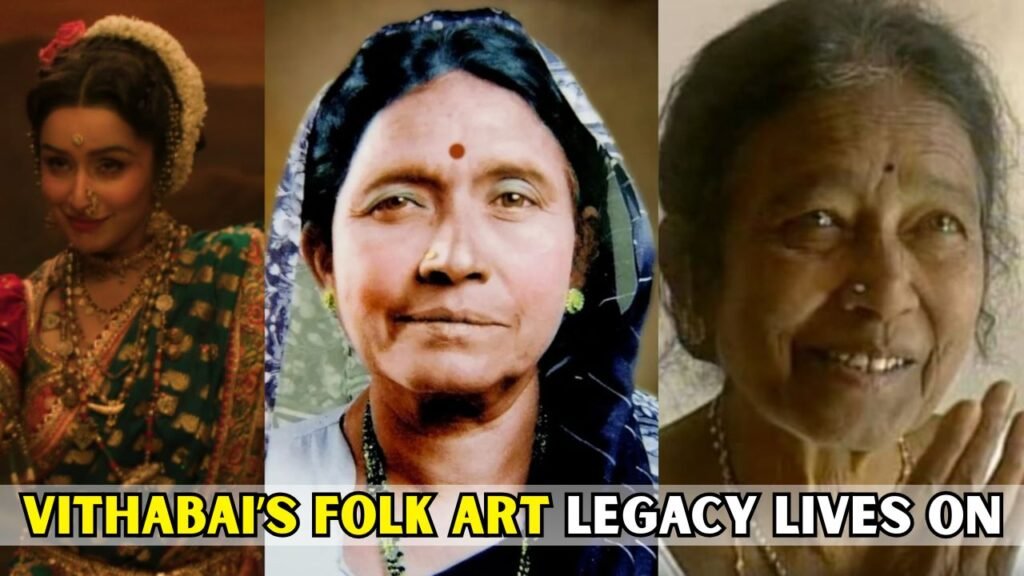
Vithabai Narayangaonkar remains one of the most respected names in Maharashtra’s folk performance tradition. Her commanding stage presence, expressive singing, dance and devotion to Tamasha and Lavani have made her a cultural icon for generations of folk artists. Her journey is not only of fame but of struggle, courage, discipline and lifelong service to the traditional Indian art.

Who Was Vithabai Narayangaonkar?
Vithabai Narayangaonkar was a famous Indian folk artist, who performed Tamasha and Lavani. She was born into a family steeped in the performing arts and grew up surrounded by music, dance, rhythm and theatre. Her natural talent had made her one of the most loved stage performers of Maharashtra.

- She was a legend, an accomplished Tamasha artist.
- Her performances reflected the spirit of rural Maharashtra.
- She is remembered with pride in Marathi folk culture.
What is she called, Tamasha Samradini?
Vithabai earned the title of “Tamasha Samradini” due to her unmatched command over the stage. Her acting was vigorous, emotional, humorous and socially meaningful. The audience loved that she was able to connect with people from different backgrounds without losing the traditional style of Tamasha.

What Was Her Impact on Folk Art?
Vithabai helped to bring dignity and recognition to folk performance at a time when many traditional artists were experiencing social and financial hardship. In her work, she demonstrated that Tamasha and Lavani were not simply entertainment, but significant cultural forms that preserve the history, language, music and emotions of the people.

- She continued the traditional format of Tamasha performance.
- She helped many young artists to respect folk art.
- She popularised Lavani among the masses.
- She cemented the cultural identity of Maharashtra.
What Was Special About Her Performances?
She was special in her acting because she had voice, expression, movement and story. She could easily hold the attention of big audiences. Her Lavani recitations were rhythmic and emotional, and her stage persona was confident, graceful and artistically profound.
What were her struggles?
Vithabai’s life had many challenges. Like many folk artists, she struggled with money, social pressure and the physicality of constant performance. But she held to her art. Her dedication was a strong example of strength for performers across generations.
- She continued to perform even when facing tough personal situations.
- She was in a space where artists didn’t always have protection.
- She suffered the pains of travelling performance life.
- Her courage was part of her lasting legacy.
How did she help the Tamasha artists?
Vithabai’s contribution was not just her performances. She also became an advocate of folk artists and their dignity. Her life was a proof of the need to respect those artists who, in the face of scarcity, uncertain income and social neglect, keep the traditions of the arts alive.
Why is Her Legacy Important Today?
She lives on because she represented the strength of folk culture. Vithabai has proved that tradition can survive in performance with passion, discipline and public love. Today, her name still evokes notions of artistic honesty, cultural pride and the power of telling stories rooted in a specific region.
- Her story inspires new performers of Lavani and Tamasha.
- In folk art, she is a symbol of women’s strength.
- Her name is a living tradition of Maharashtra’s stage.
- She is remembered in cultural discussions and awards.
How is she remembered now?
Vithabai Narayangaonkar is remembered with performances, write-ups, cultural programmes and awards for folk artistes. The Maharashtra government’s lifetime achievement award in her name is a testimony to the respect that she commanded. Her journey is still a reminder to people that folk art is a living heritage.
What Can New Artists Learn From Her?
Vithabai’s life is a lesson in dedication, discipline and respect for tradition to the new artists. She proved that real art needs work and emotional honesty. Her journey is a lesson for performers: value your roots and present folk culture confidently to contemporary audiences.
- honour the history and traditional art forms.
- Come with discipline, confidence and authenticity.
- Keep in touch with cultural roots.
- Use art to inspire and to symbolise people’s feelings.
Why Do We Need to Remember About Her?
To remember Vithabai Narayangaonkar is to remember the artists who fought and sacrificed to keep the Indian folk culture alive. She was a part of Tamasha and Lavani and helped to build Maharashtra’s cultural identity. A permanent presence, her art, courage and legacy continue to inspire.
