
Mumbai Rains Leave Roads Under Water as Heavy Rain Disrupts Daily Life

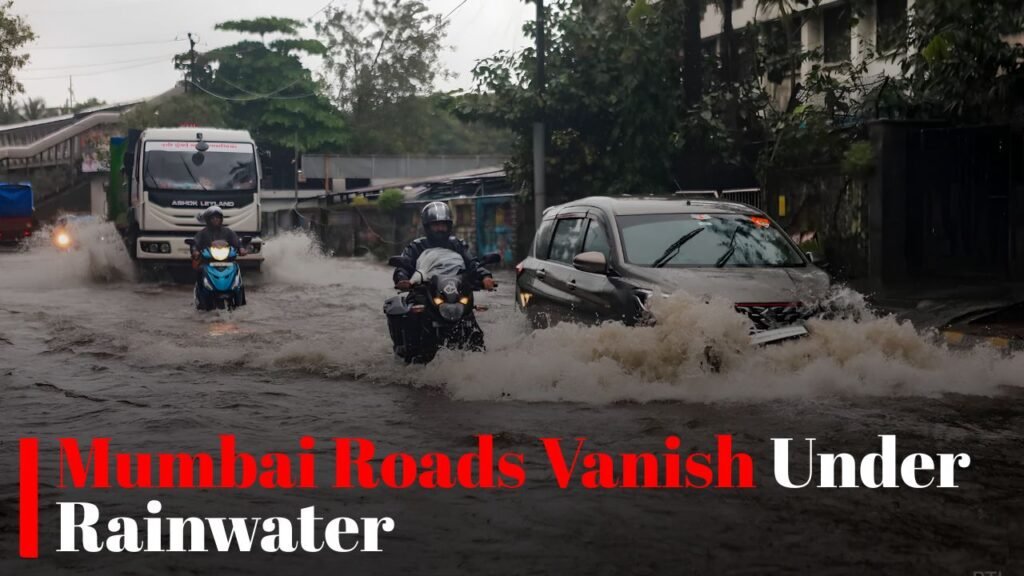
Mumbai Rains Leave Roads Under Water : Mumbai’s monsoon woes resumed with a vengeance as torrential rains flooded multiple roadways and upset the daily grind of thousands of people. What started as another damp spell soon turned into a tough day for commuters, office-goers, schools and shops. Water pooled on roadways in low-lying regions, traffic crawled along busy routes and many individuals had to wade through inundated lanes to make their way to work or return to their homes. The rain also brought back traditional worries about drainage, municipal readiness and the city’s capacity to deal with heavy showers during the monsoon season.

Mumbai rain floods
Many roads in Mumbai have been waterlogged due to the precipitation. Movement on roads has slowed down and become risky. Monsoon prone areas have been inundated again particularly in areas where drains have failed to drain off the water quickly. Pedestrians, two-wheeler riders and public transport users were most affected. From the city and its adjoining areas, reports stated heavy rain disrupted movement on roads, caused trees to fall and damaged automobiles in some spots. The India Meteorological Department has issued alerts for heavy rainfall in Mumbai and adjoining regions with the possibility of strong showers continuing in the first week of July.

Roads turn into waterlogged stretches.
After strong spells precipitation rose rapidly making several roads in the city difficult to ply. Traffic flowed slowly on the waterlogged stretches and traffic police and civic staff were deputed in the affected regions to manage the congestion. For many residents, short trips took much longer than normal. Some bus routes were delayed, auto-rickshaws steered clear of the most flooded sections and private automobiles navigated their way around water-logged crossings. Every year it’s worse in low-lying pockets where water tends to collect. People living in such regions stated the problem was not simply the rain but inadequate drainage and delay in clearing stormwater outlets. Residents of Milind Nagar in Powai recently sat in the water-logged streets to protest against civic lethargy, when water invaded their area during the early heavy spell of the season.
Life Hit Daily All Over The City
The torrential showers disrupted the usual rhythm of Mumbai. Traffic bottlenecks and transport delays meant that many office workers had to leave home early and many returned late. It was a tough commute for schoolchildren and parents, especially in places where roads were flooded or trees were down. Shopkeepers in low-lying markets have to guard their wares from rainfall entering their shops. The disturbance was particularly acute for daily wage workers. Many rely on public transport and working outside, both of which are disrupted when rain causes flooding on roads. Street vendors, construction labourers and delivery workers have among the worst circumstances. Reaching stations and stops was a struggle even where trains and buses were running, because approach roads were waterlogged.

Local Trains, Traffic Under Strain
Mumbai’s suburban train network, which is frequently referred to as the city’s lifeline, also came under strain during the severe rain. Some rail services were affected earlier during the rainy spell due to water logging on tracks and related safety issues. Some parts of Mumbai experienced over 300 mm of rain in 24 hours, resulting to waterlogging and interruption of road and train operations, reports stated. The roads were no improvement for many commuters. Traffic delayed at flooded underpasses, busy intersections and major routes. During severe rains in the past, water accumulation has been witnessed in sites like Andheri Subway, Sion, Hindmata and King’s Circle and people stayed on alert as the prediction predicted more rain. Heavy showers and low visibility together with high traffic volume particularly during peak hours made driving challenging.
Alert keeps city on alert: IMD
The IMD’s prognosis was a matter of concern as Mumbai and adjoining areas were predicted to witness heavy to extremely heavy rain during the first week of July. Mumbai, Thane and Palghar will be on orange alert from July 1 while Raigad will be on red alert until July 2. The Mumbai centre of the weather department recorded high humidity and sustained winds on July 1, suggesting the wet spell was expected to persist. Officials warned residents against needless travel during heavy rains, to stay away from flooded areas and monitor local traffic and weather reports.
Late Monsoon, Sudden Intensity
The monsoon in Mumbai set in late this year. IMD updates said that the south-west monsoon pushed into some regions of Maharashtra, including Mumbai, on June 23. They were late, but the rain fell hard, and within days the vulnerabilities of the city were laid bare. Mumbai likewise completed June with a rainfall deficit despite strong showers at the conclusion of the month. Colaba and Santacruz had below-normal June rains, but early July forecasts pointed to more robust monsoon activity. The season has become unpredictable with this patchy pattern: dry stretches are punctuated by sudden bursts of torrential rain that flood roads and drains.
Civic Preparedness Questioned
Every monsoon, Mumbai faces the same question: Is the city ready for heavy showers? Civic officials normally do drain-cleaning work before the season, but recurring waterlogging indicates that the problem is still tough to manage. The rapid building, encroached sewers, plastic garbage and aged infrastructure contribute to the pressure. The rain that has just fallen has once again brought civic preparedness into public debate. Residents want faster reaction teams, better drain maintenance, safer roads and timely notifications about flooded routes. After an 11-year-old student died when a tree fell on a school bus in Chembur, injuring several others, tree falls have also become a matter of worry.
Mumbai prepares for more rain
Mumbai is likely to be on alert in the coming days with additional showers forecast. Residents are being urged to follow the weather updates, keep away from flooded roads, allow for extra travel time and stay indoors during heavy spells when possible. The city is accustomed to rain, but it doesn’t make the interruption any easier. Every stormy spell brings traffic bottlenecks, waterlogged streets, delayed trains and safety hazards. As Mumbai advances deeper into the monsoon season, the difficulty is not survival through the rain but rain management.
