
Google Teams Up With Warby Parker for New Smart Glasses

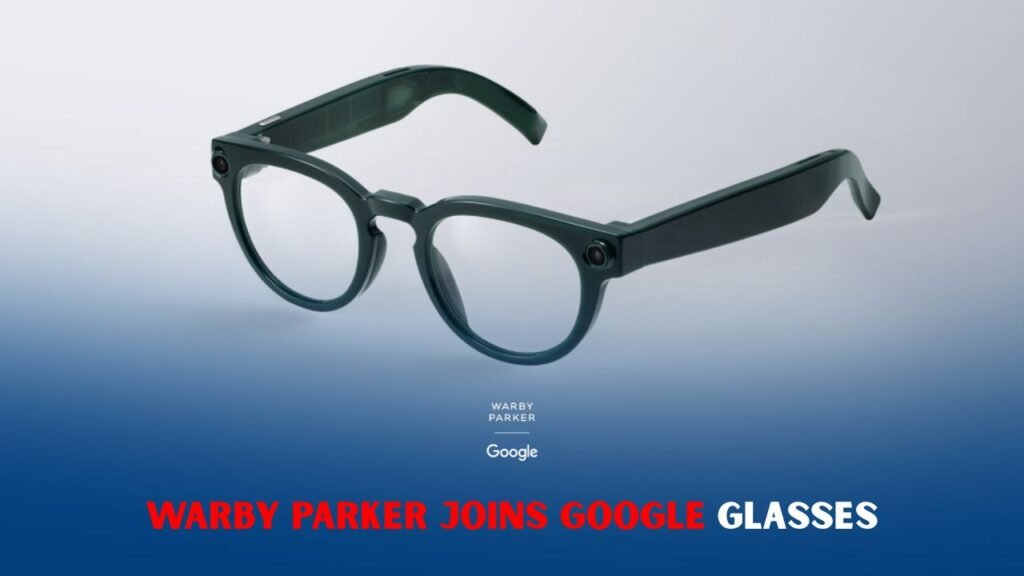

What the Google and Warby Parker Partnership Means
The partnership combines three different strengths into one product. Google: Gemini AI and Android XR platform, Samsung: hardware and mobile engineering support, Warby Parker: eyewear design, fit data, prescription experience and retail presence. This combination is important, because smart glasses need to be more than just a little computer on the face. They also need to look good, feel balanced and support vision needs. Warby Parker’s clout can make the product more appealing to consumers, especially those already accustomed to prescription frames. Google’s role is to make the glasses useful with voice help, contextual understanding, translation, maps, messages and app links. Together they want to make smart eyewear practical, fashionable and useful for everyday life.

- Google has Gemini AI, Android XR.
- Warby Parker is all about design, comfort and lenses.
- Mobile & Hardware Engineering Support
- The glasses are intended for all day daily wear.
- The goal is fashion combined with smart help.”
Key Features of the New Smart Glasses
The new smart glasses are said to be like a hands-free assistant. Users can ask Gemini to help them through the glasses, rather than opening a phone for every little task. The eyewear can support directions, texts, photos, translations, calls, summaries and app actions, Google says. The first is the audio version, with a plan to later have display glasses, where the lens can display private information when needed. The glasses are context aware, with a camera, microphones and speakers so they know what the user sees and hears. This makes the experience much more natural than typing into an app. It isn’t about replacing the phone, but making everyday tasks quicker, less cumbersome and less of a distraction for work and travel.

- You can also ask Gemini questions by voice.
- The glasses can also help with turn-by-turn directions.
- They can make calls, texts and message summaries.
- They can take pictures and videos in a snap.
- They can understand speech, menus and signs.
Why This Product Matters in Wearable Technology
This collaboration matters because smart glasses are becoming the next big battle in consumer technology. Meta already proved that camera and AI glasses can attract attention, and now Google wants a stronger place in this market. Warby Parker gives Google a fashion-friendly partner with experience in frames, lenses, prescriptions, stores, and customer trust. That is valuable because many people will not buy smart glasses unless they look like normal eyewear. The product also shows Google’s plan to make Gemini useful outside screens. If the glasses can quietly help with real-world questions, navigation, communication, and translation, they could turn AI from a chat tool into a daily wearable companion for millions of people across homes, offices, streets, airports, and shops.

- It brings AI into a daily wearable form.
- It may compete with Meta smart glasses.
- It makes smart eyewear more fashion-friendly.
- It can reduce phone use for small tasks.
- It shows Google’s bigger Android XR plan.
Challenges and Future Expectations
The best of partners, the glasses still have serious questions to answer before buyers will trust them fully. People will want to know about the price, battery life, weight, privacy camera rules, control of data, ways to get it repaired and prescription support. Comfort will be the key as much of the day eyewear will sit on the face. The quality of the AI also counts: wrong directions, bad translations or slow answers will quickly frustrate users. Google and Warby Parker also need to tell people when the camera or microphone is on so it’s safe for people around the wearer. If these problems are solved well, the glasses could become a real product and not just a flash demo. Trust, usefulness, design and affordability will be key to future buying journeys online and in retail.
- The price will determine how many people will buy it.
- The battery should last for long days.
- The rules of privacy need to be clear and believable.
- It must be easy for customers to get help with prescriptions.
- AI should be fast, accurate, and helpful.
Final Verdict
Google and Warby Parker’s smart glasses partnership is a giant leap towards wearable AI that feels simple, stylish and useful. The project is engineered for daily comfort, not just tech excitement, through the blend of Gemini intelligence, Android XR, Samsung hardware support, and Warby Parker’s eyewear design. The glasses could help with directions, messages, translation, photos and quick answers, all hands-free. Price, battery life, privacy and real usefulness will be what matters. If those parts are sturdy, this product could soon shape the future of AI-powered eyewear for all.
