
NOAA Hurricane Season Forecast 2026 Predicts Dangerous Storm Activity Ahead


What Did NOAA Forecast for 2026?
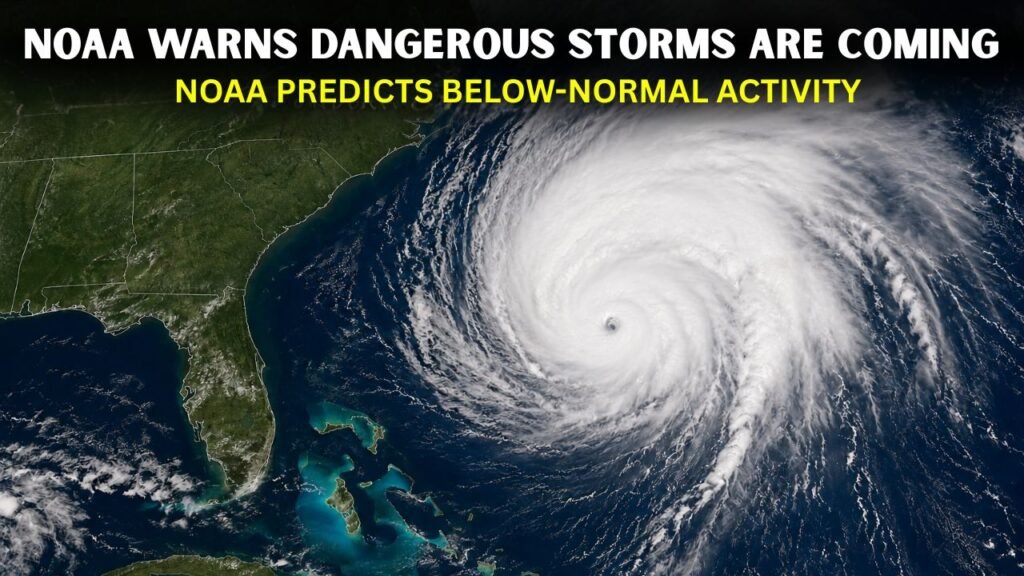
NOAA’s 2026 Atlantic hurricane season forecast is for below-average activity, but don’t let your guard down. Coastal communities should use the forecast as a planning signal, not as a guarantee of safety for any one location this year. The season still holds the potential for additional Named Storms, Hurricanes and a few Major Hurricanes.
 Delhi NCR Rain Date Confirmed as IMD Predicts Heavy Showers and Relief From Heatwave Conditions
- NOAA is forecasting eight to 14 named storms in the Atlantic season.
- Maybe three to six of those could be hurricanes.
- One to three could become major hurricanes.
- The official Atlantic hurricane season runs June 1 through Nov. 30.
- Still quiet season but serious landfall risk
Why Is the Season Still Dangerous?
An outlook for below-normal does not mean there is no risk to homes, roads, ports and power systems. A slow-moving hurricane means destructive wind, storm surge, inland flooding, long outages and a tough recovery. Communities along the Gulf Coast, the Atlantic Coast, the Caribbean and nearby inland areas should get ready for storms before they develop.

When one storm hits land, it can cause billion-dollar damage.
Rapid intensification can shorten the time available to prepare.
Some floods can extend far inland.
The storm surge could be deadly on the beaches and bays near you.

What Is Driving the 2026 Outlook?
Meteorologists are watching for El Niño conditions which tend to increase wind shear over the Atlantic and make it harder for storms to form. But sea surface temperatures, humidity, steering patterns and local weather systems can provide short windows for tropical storms to organise, intensify and threaten land during the ahead 2026 official hurricane season.
Which Areas Should Stay Alert?
People who live in hurricane-prone areas shouldn’t just look at the total number of storms predicted for the basin. The risk depends on where storms form, how fast they strengthen, and whether steering winds push them towards populated coasts. Inland communities need plans, too, because the rain can fall miles from the eye.
- Watch for early season systems in the South-east and Florida.
- Residents of the Gulf Coast should prepare for storm surge and flooding.
- Caribbean islands need evacuation and supply plans.
- Watch for late-season threats in the Mid-Atlantic and North-east regions.
What Hazards Matter Most?
Hurricanes are more than wind events and many of the worst losses are from water hazards. Conditions can be unsafe before, during and after the storm centre passes through or moves away from land later during recovery due to storm surge, freshwater flooding, dangerous surf, tornadoes, downed trees, damaged roofs and extended power failures.
- Storm surge can flood roads, homes and escape routes.
- Heavy rain could cause flash floods and river floods.
- Strong winds can break trees , power lines and roofs .
- Rip currents can be hazardous before and after storms.
- Heat risk could increase due to outage delays
How Should Families Prepare Now?
The best hurricane plan is made before watches or warnings appear in the local forecast. Families should know their evacuation zone, have basic supplies on hand, secure important documents and know where to obtain reliable weather information. Prepare ahead to avoid last minute shortages, traffic stress and rushed decisions during rapidly changing coastal emergencies and warnings safely.
-
- Have a kit with water food medicines batteries and chargers.
- Review your insurance, local shelters and emergency contacts.
- Make copies of important papers in digital and paper form.
- Have a plan for pets, seniors, children and medical needs.
- Listen to official alerts from your local emergency managers.
What Should Businesses Do?
Companies should update their continuity plans and review them with employees before the peak hurricane months. A workable plan includes communication with staff, data back-up, property protection, supplier delays, remote work options, access to payroll and steps for reopening. Being prepared can help to minimise losses and ensure teams are able to return safely after a disruptive storm event.
When Should Updates Be Checked?
During hurricane season, residents should pay attention to forecasts, particularly when tropical weather outlooks indicate the development of disturbances. Forecasts can change quickly as systems organise so people need to use official information, understand local warnings and act early when evacuation orders or protective instructions are issued by local authorities nearby and right now today.
Final Advice
NOAA Hurricane Season Forecast 2026 predicts fewer-than-average storms in the Atlantic, but dangerous storms can still strike vulnerable areas. Prepare according to your own risk, not the season’s numbers. The best advice is to plan ahead, heed the official forecasts and act quickly when a threat appears.
