
Motor Oil Shortage Raises Concerns Across the Auto Industry in the US

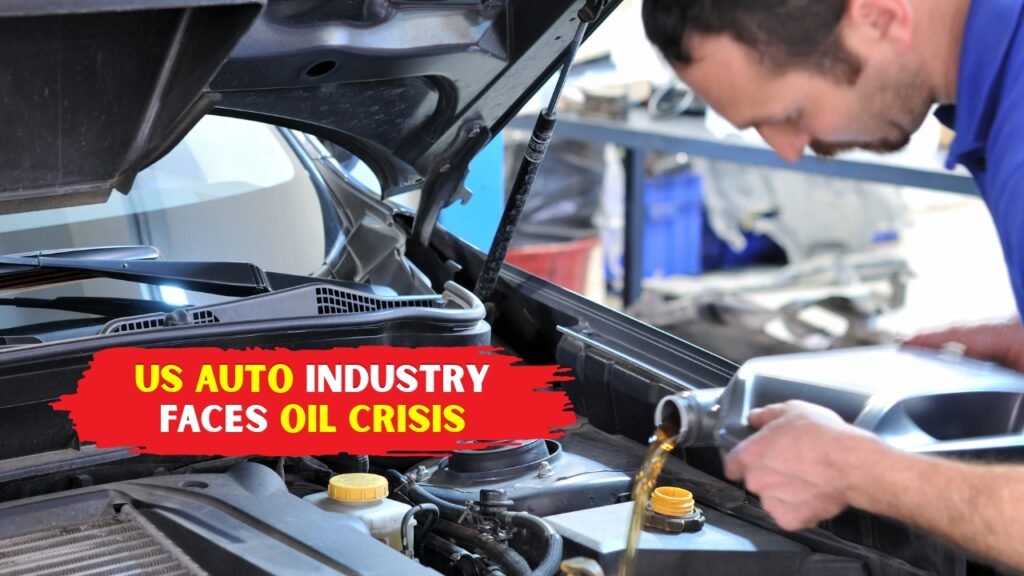
Motor oil problems are mounting across the United States about the availability of motor oil, raising problems for drivers, service shops and the car industry as a whole. Motor Oil Shortage Raises Concerns Across the Auto Industry in the US ,Tighter market for lubricants due to increasing worldwide demand, supply chain bottlenecks and volatile crude oil processing. This is leading to some distributors reporting patchy availability in a number of places and prices are starting to come under higher pressure. It’s not yet a full-blown catastrophe, but industry experts warn that ongoing disruptions might impair routine vehicle maintenance, manufacturing schedules and long-term servicing costs. When millions of vehicles rely on a steady supply of oil changes, even a tiny interruption in supply can swiftly ripple through the automotive ecosystem and impair everyday mobility
 Nissan Tekton Fuel Efficiency Figures Revealed as New SUV Delivers Better Mileage Than Expected
Why is the Motor Oil Supply Tightening in the US
US motor oil supply is tightening on the back of a mix of global and domestic causes. Refinery changes, increased freight rates and erratic crude oil output have upset the steady flow of basic oils needed to make lubricants. Meanwhile demand has surged as car utilisation returns to normal after earlier slowdowns.

- Refinery maintenance turnarounds that reduce production capacity
- Growing global demand for base oil exports
- Increased shipping and logistics expenses affecting distribution
- High seasonal demand from long-haul travel
- Delay in import of raw materials due to supply chain issues
That mix of forces is causing spotty availability by state, with some areas seeing real lag times for refilling typical motor oil grades

How Are Auto Manufacturers Responding to the Oil Shortage
US automakers are keeping a careful eye on the problem, as oil consistency is even important to engine performance and warranty standards. Manufacturers are working with suppliers to lock up stable lubricant contracts and avoid disruption, but production lines are not yet directly affected.

- Building closer relationships with lubricant suppliers
- Extend bulk procurement to lock-in inventories for long-term
- Testing other oil formulas for efficiency
- Update maintenance guidelines for new cars
- Real-time monitoring of supply chain risk
“Service centres are also being told to stock enough stock. The industry is stable for now, but manufacturers are drawing up contingency plans in case shortages worsen in the months ahead.
Will Vehicle Maintenance Costs Increase for Drivers
Americans are starting to ask if regular automobile maintenance is going to get more expensive. So if you see motor oil prices keep climbing, you may see oil changes and service charges creep up, particularly at independent repair shops that rely on spot market pricing.
- Increased retail prices for synthetic and conventional oils
- More costly routine oil changes at service centres
- Potential increase in dealership maintenance packages
- Urban/rural price differences
- Limited stock availability may result in delays to service
The rise might not be immediate, but sustained supply pressure could mean that basic car maintenance becomes considerably more expensive over time.
What Impact Will This Have on Repair Shops and Dealers
Auto repair companies and vehicle dealerships were the first to suffer from the oil shortage. Many of these enterprises operate on very slim profit margins . Even a slight increase in the price of oil can cause them to alter their prices and lower client demand . Shops have trouble keeping a consistent supply of motor oil, and increasing wholesale costs make basic maintenance services cost more. This might translate to longer waits for oil changes and maintenance. Smaller, independent garages are hurt harder than larger service chains, and some service centres may only provide more expensive service packages. As these prices are increasing, many repair companies are increasingly focused on more lucrative services and are decreasing the discounts. But better supply networks mean car dealerships can get motor oil more easily, providing them an edge in the short term in today’s market.
- Difficulty maintaining consistent oil inventory levels
- Rising wholesale costs affecting service pricing
- Longer waiting times for scheduled maintenance
- Increased pressure on independent garages
- Potential shift toward premium service packages
Could Alternative Lubricants Solve the Crisis
Other lubricants and synthetic mixtures are now coming into focus as supply problems continue. Such products could minimise dependence on traditional sources of base oil and provide greater stability in the long-term market.
- Development of sophisticated synthetic oil blends
- Bio-based lubricants for environmentally friendly solutions
- Improved engine efficiency by using new oil technology
- reduced dependence on crude oil refining procedures
- More investment in sustainable automotive fluids
The alternatives are promising, but broad use will take time because of testing requirements, engine compatibility norms and costs. At this point, they act as an additive rather than a full replacement for traditional motor oil
