
Google Starts Faster Health App Rollout for Fitbit Air Users

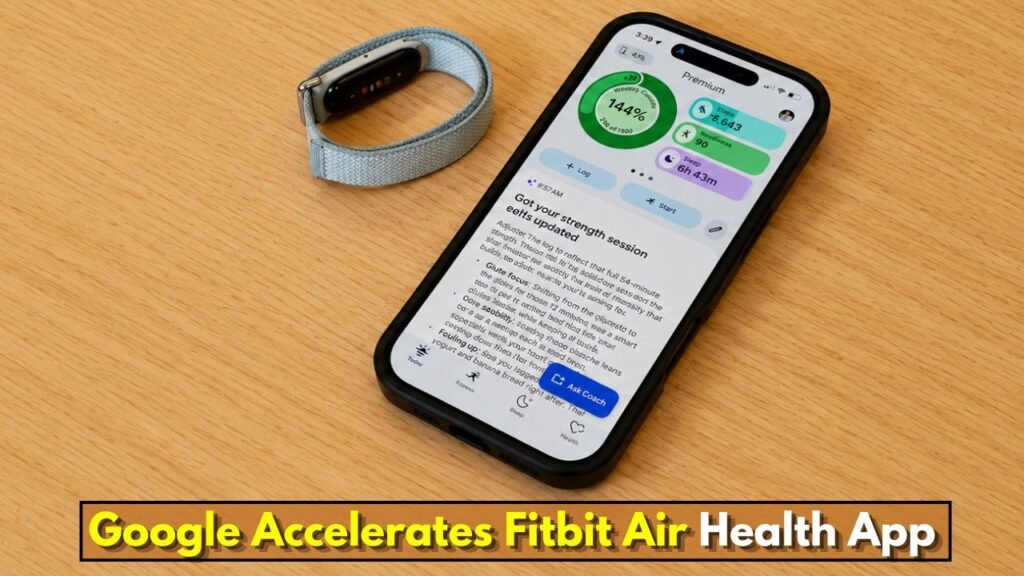
Google is fast-tracking the rollout of its new Google Health app for Fitbit Air users, mostly because early buyers need to have the latest version of the app in order to properly set up and use the device. Fitbit Air uses Google Health 5.0 to pair, track, provide health insights and daily fitness data. The update was pushed out earlier to iPhone users via the App Store, but some Android users were still waiting longer. Google has accelerated the rollout on Android through the Play Store to reduce setup issues. This is a big move as Fitbit Air is supposed to be a screen-free health tracker so the app is the main place to go for steps, heart rate, sleep, activity and coaching features. The quicker rollout means users can start using their new tracker

Why Google Is Speeding Up the Health App Rollout
Fitbit Air users can’t take full advantage of the new tracker without the updated app, so Google is speeding up the rollout of the Health app. The older Fitbit app version doesn’t support the new device, so pairing and setup requires Google Health 5.0. That became more pressing as Fitbit Air units began to arrive in the hands of customers before every Android user had the app update. Since the Fitbit Air lacks a screen, the app serves as the primary place to go for health data, settings, battery information and wellness insights. The faster rollout makes the launch smoother and less frustrating for users, and helps Google move users from the old Fitbit experience to the newer Google Health platform with improved tracking, cleaner navigation, and AI-based coaching support.

- Go to the Google Play Store or App Store.
- Look for the Fitbit or Google Health app.
- See if you have the latest update or version 5.0 available.
- Pair Fitbit Air, update app first.
- If the pairing option still doesn’t appear, restart the phone.
What Fitbit Air Users Get With Google Health
Google Health app brings a more connected health experience to Fitbit Air users. The app is the main dashboard where users can view fitness, sleep, heart rate, activity and wellness information. Since the Fitbit Air is a tracker without a screen, users have to rely on the app for just about everything. Google Health also comes with a new design, making it easier to track your day-to-day and get personalised coaching, all built with Google’s AI tools. It helps users to track their progress, see their health trends and understand their daily habits in a simple manner. The app also features automatic data transition for existing Fitbit users, so any old health info should transition into the new experience without needing a separate download or complicated setup process.

- Track your steps, activity, sleep and heart rate all in one place.
- The app gives you a cleaner dashboard for your daily health progress.
- Fitbit Air pairing & setup is via Google Health.
- AI coaching can help people learn fitness and wellness habits.”
- Existing Fitbit data should transfer automatically to the new app.
Why the Rollout Matters for Android Users
The quicker rollout is mainly significant for Android users as a lot of people were waiting for the Google Health 5.0 update through Play Store. Early buyers of the Fitbit Air wouldn’t have been able to start tracking their health data or might have run into pairing issues without this update. This is a huge issue for launching a new product, especially when customers purchase the product and expect it to work out of the box. Google’s faster roll out closes this gap and offers the needed app version to more Android users. It also enhances the 1st user experience, because delays in setup can result in confusion, bad reviews and support complaints. Thanks to a clean update, the Fitbit Air feels ready from the outset.

- Android users will need the latest app to connect to Fitbit Air.
- Early adopters get no setup wait with faster rollout.
- It helps Google avoid confusion around product launches.
- More users will be able to quickly access new health tools.
- This update supports Google’s rebranding of Fitbit as Google Health.
What This Means for the Future of Fitbit
The rollout suggests Google is pushing Fitbit further into the Google Health ecosystem. Google is moving Fitbit out of a standalone app experience and into one platform that combines fitness tracking, health data, AI coaching and wearables support. The plan is heavily based on the Fitbit Air, a simple, screenless design that relies on an app. So software experience is as important as hardware experience. Users will get more personalised wellness recommendations, tighter integration with Google accounts and better health insights. But some users will want some of the old Fitbit features and the classic Fitbit app look, so Google will need to strike a balance between innovation and familiarity.
Final Advice
Google’s quicker rollout of its Health app is a useful step for Fitbit Air users because the new tracker relies on the updated app for setup and daily use. The move helps Android users get access faster and cuts down on problems during the pairing. It also shows Google’s larger plan to bring Fitbit features, health data and AI coaching together in a single, simple platform. It may take some getting used to, but the update can make health tracking more connected, modern, and easier to manage.
