
NYC Flooding Risk Grows as Heavy Rain Moves Toward the City

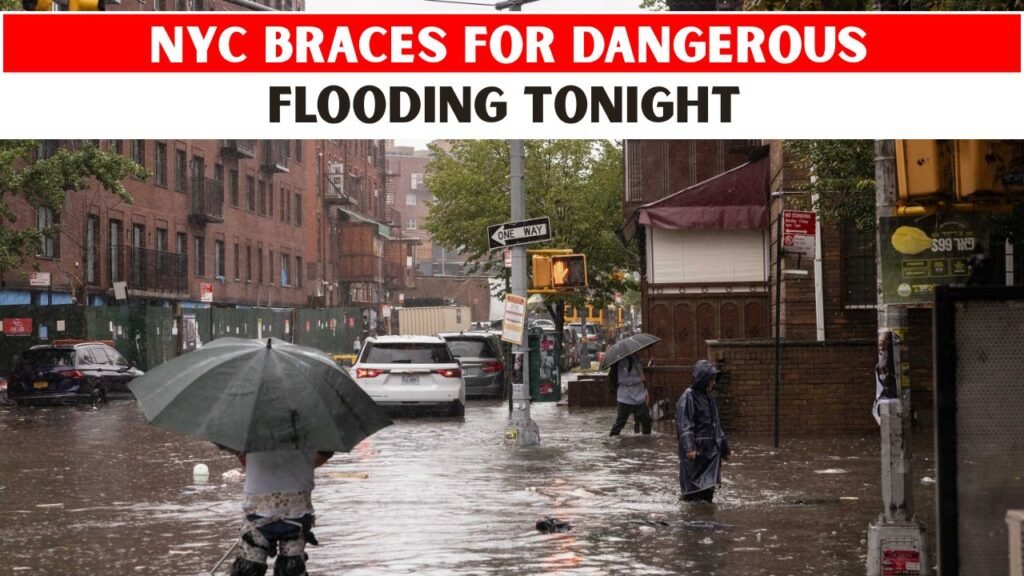
NYC Flooding Risk – Heavy rain is headed to New York City and the city is bracing for a growing threat of flooding. In dense urban areas, heavy rain quickly floods streets, tunnels, subway entrances and low-lying neighbourhoods. The danger grows when rain falls harder and faster than drains and stormwater systems can handle. Heavy rain can fill street drains quickly Low-lying roads and underpasses can fill with water quickly Basements are at greater safety risk in flash floods Subway stations and tunnels can fill with water Traffic delays can increase as flooded roads become unsafe
Where Is Flooding Most Likely?
Neighbourhoods that are more prone to flooding tend to have poor drainage, low elevation and high pavement coverage. The first problems may be in areas close to highways, river banks, coastal areas and housing with basements. Even brief periods of rain can create dangerous water levels on roads and sidewalks.
 Ghaziabad Schools Remain Closed Today After IMD Issues Heavy Rain Alert Across the District
How heavy rain affects everyday life
Heavy rain can quickly disrupt transportation, work schedules, school travel and emergency services . “In a busy city like New York, even localised flooding can create citywide delays.” When it rains the hardest, commuters may find subway service slower, roads closed, buses detoured and walking unsafe.
 Hyderabad Rain Today Prompts IMD Warning as Telangana Braces for More Showers and Strong Winds
- Subway entrances may be wet or flooded.
- Drivers may encounter sudden road closures or vehicles pulled over.
- Pedestrians should stay out of deep water at kerbs and drains.
- You could see slower than usual emergency and delivery routes.
How Do Flash Floods Happen So Quickly?
Too much water falls too fast during heavy rain, and flash floods occur. Many cities, including New York, are covered in concrete, asphalt, buildings and roads, which means less water can soak into the ground. The more runoff, the faster water is directed to streets and drains.
Ahead of the rain, what should residents do?
Residents should prepare in advance and not wait until flooding has started. You can ease some of the storm’s pressure by checking weather alerts, charging your phones, moving valuables up from basement floors and planning alternative travel routes. If you live in a basement unit, follow official warnings and move to higher ground if you have to.
- Watch for local weather updates and emergency alerts.
- Avoid travel except in emergencies during the heaviest rain.
- Keep important documents, electronics out of low lying areas.
- If safe, clear nearby drains.
- Know a safe way to higher ground.
Is it safe to drive in flooding conditions?
Driving through floodwaters can be very hazardous, particularly when the roadway surface is covered with water. Difficult to estimate depth, strength of current or hidden dangers. Vehicles can become trapped in surprisingly shallow water and fast moving floodwater can trap drivers in just a matter of minutes.
How Can NYC Transit Be Affected?
Heavy rain poses a high risk for New York City’s transit network, with stations, stairways, tunnels and tracks connecting to street level drainage. Water getting into critical points can slow service or lead to temporary closures. Riders are advised to check for updates before heading out and expect delays.
- Before you travel, check the subway and bus alerts.
- If stations are affected, take alternative routes.
- Do not stand in flooded areas of the platform.
- Expect longer travel times in heavy rain windows
Basement apartments are at greater risk, why?
Flood water flows downhill and so basements and apartments below grade are more likely to be affected. Heavy storms can push water through doors, windows, drains or walls . “People who live in these areas need to pay attention to flash flood warnings, and never wait until the water is rising in their homes.
What should companies be ready for?
The city could see flooding from the heavy rain, which will require businesses to change how they do business. Companies, restaurants, delivery firms, construction sites and offices near flood-prone streets need to review safety procedures. Covering equipment, checking insurance paperwork and giving advanced notice of any schedule changes can help to keep disruption to a minimum.
Does Climate Change Worsen NYC Flooding?
Climate change may result in more extreme rainfall events with increased risk of urban flooding.” As air warms it can hold more moisture and storms can bring heavier rains. Sea level rise and heavier rain events threaten to make flood risks more complex, especially in coastal cities like New York.
- There could be more heavy rain and it could be more frequent.
- Urban drainage systems may be under more pressure.
- There is a risk of both rain flooding and coastal flooding at the same time.
- We’ll need to plan for the longer term to build more storm resilience.
What is the important safety message?
In a heavy rain, normal streets can turn into very dangerous places very quickly. Residents, commuters and businesses should monitor alerts, avoid flooded roads, protect basement spaces and follow official advice until the threat of a storm has passed.
