
Jeff Bezos says higher taxes on rich won’t help most people

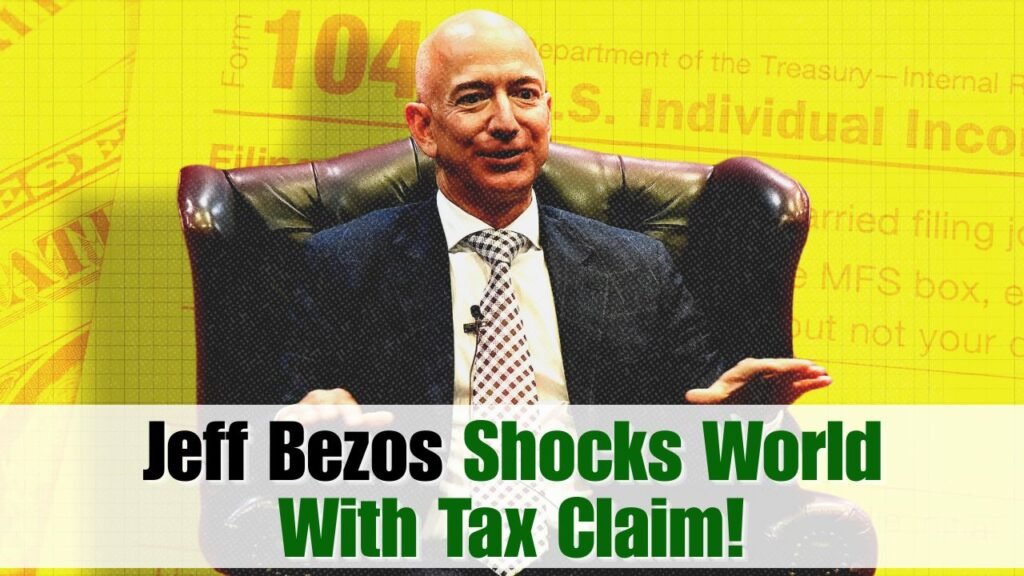
Jeff Bezos says higher taxes on rich : Billionaire Jeff Bezos says raising taxes on the rich might not lift lives for everyone else. Now back in the spotlight, his opinion brings fresh debate over money divides across society. Leaders around the globe are trying new tax ideas to narrow financial gaps but results are patchy. Expert and everyday opinions are evenly divided over what fairness is now. The talk moves quickly, yet the results stay still, caught between faith and evidence.
 Eternal Shares Climb Higher as MSCI Weight Restoration Expectations Support Fresh Market Gains
Jeff Bezos argues that most people won’t benefit if taxes are increased for the very rich raising rates doesn’t necessarily lead to improved lives for those earning average wages. He advocates the focus on where the money is going, not how much. The way that money is spent yields tangible results. His remarks have sparked a renewed discussion: maybe fixing systems is a better way to go than simply raising taxes to solve inequality or hard economic times.
 Dixon Technologies Shares Move Higher After Vivo India Joint Venture Receives Government Approval
Background of Jeff Bezos’ Economic Views
Lately, Jeff Bezos keeps circling back to ideas about invention, market shifts, and slow-burn gains in economies. His newest comments line up with past ones where money flow gets unpacked – how it builds, who ends up with it. Even though cash pours into green causes via his Earth Fund and similar efforts, when taxes come up, he zooms in on what actually works instead of just jacking numbers higher. Folks who see things his way believe progress sparked by new thinking lifts everyone better than shuffling existing resources around too much.

Why Taxation on the Wealthy Is Controversial
Heavy earners paying taxes often stirs debate in government circles. Some say those at the very top ought to give more, helping balance gaps across society while supporting hospitals, schools, roads. Others warn too much taken might slow new ventures, risk taking. What Bezos said brings that split into view, proving it still splits opinion even within powerful company founders.

Role of Government Spending in Economic Outcomes
Some push back on Bezos by stressing what happens after taxes are collected. Money pouring into government coffers means little unless spent wisely say many economists. When leadership fails or graft seeps in outcomes falter no matter the tax level. Yet places that spend smart see real gains in people’s lives. Solid management sometimes does more than sky-high rates ever could.
Sources : NBC News
Global Perspective on Wealth Tax Debate
Nowhere is the push for change more visible than in how governments handle money matters. Wealth heavy levies popped up across parts of Europe, though some regions still lean on slim rates to pull in business cash. Across the Atlantic, talks grind on about taxing top earners harder and reshaping company rules. Voices like Bezos’ ripple through these debates, stirring thoughts on what feels fair when economies link tightly.
Tax Debate Impact on Public Opinion and Policy Discussion
When the big names speak ears prick up and Jeff Bezos is no exception. His words spread fast, jumping from one outlet to another. Debate flares again what should the ultra rich really be doing? Not everyone sees his message the way you might expect. One camp says he’s just protecting massive fortunes. Another hears a push for better systems instead of higher taxes. Talk grows louder each time he opens his mouth.
Economic Inequality and Long-Term Solutions after Tax Debate
Most people around the world are still seeing wealth gaps widen. Taxes can help narrow those gaps but some say higher-quality schools, more jobs, increased tech access and changes to medical care are just as important. His comments are a sign of something larger fixes tend to need many parts working together. Real progress probably depends on smarter spending rules, new ideas and improving systems over time.
Final Summary
Jeff Bezos said higher taxes on the rich might not do much to improve average lives, and surprise was written on the faces. That one remark fuelled old debates about fairness, results, winners and losers. Resistance rose fast from those who disagree yet still, space opened up for quieter reflection on government paths forward. Now the conversation slips sideways, away from just percentages, focusing more on whether thriving reaches everyone or vanishes before it gets close.
