
Arunachal Pradesh Flash Floods Trigger Major Alert as Rainfall Worsens

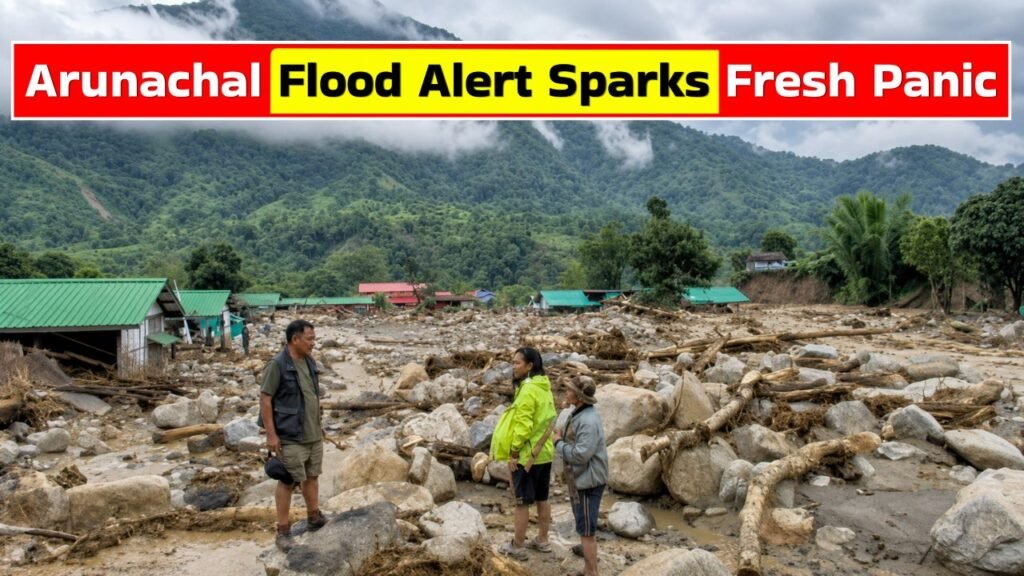

What was the reason for the flash floods?
The main reason for the flash floods was the heavy and incessant rains over Arunachal Pradesh. In the mountains, rain water rushes down the hillsides into the rivers and streams, causing flash floods. Landslides can also block natural channels of water, increasing the danger to nearby villages, roads and settlements.

- The concerned districts have been lashed by heavy rains for hours.
- Small streams and rivers flooded over their banks.
- The hillside was covered with loose earth that slipped easily.
- Soon floodwater inundated homes and roads at a low level.
- Locally flooding has been worsened by debris and blocked drains.
What is the biggest risk?
The most at risk are the districts closest to rivers and roads, prone to slopes and landslides. Arunachal Pradesh: Floodwater from Arunachal may increase the level of the river across the border and downstream areas in Assam are also on alert Heavy rains wreak havoc in Keyi Panyor, adjoining areas of Arunachal Pradesh

- Villages along rivers and streams are still very vulnerable.
- Hilly roads may collapse and cause landslides.
- Colonies in low-lying areas can collect water that can damage property.
- Access to isolated communities for rescue and relief may be delayed.
What does it do to them?
The main issue is the road connectivity, as landslides can cut off the villages from the towns nearby. Difficult terrain and heavy rain hamper rescue work in Arunachal Pradesh If things go wrong, people living in the vicinity of unstable slopes or water courses that can flood may have to be evacuated quickly.

What are they doing these days?
Local authorities, disaster response teams and police are watching the flood-hit areas and conducting the necessary rescue and relief operations. Officials also were watching river levels, road conditions and landslide-prone areas. People have been advised to avoid unnecessary travel in the heavy downpour.
- Rescue teams move from blocked roads and village to village.
- Officials are keeping an eye on rivers, bridges and landslide zones.
- People living in danger zones are being advised to move to safer locations.”
- Rescue teams are trying to assist the affected families.
- Alerts for deadly stretches of road.
What causes flash floods in the state?
Heavy monsoon rain, steep mountains, narrow valleys and fast-flowing rivers of Arunachal Pradesh. Extreme rain doesn’t allow water enough time to drain safely. This causes flash flooding, landslides, road destruction and danger to houses on slopes or river banks.
Disasters like this are exacerbated by climate variability, deforestation, fragile hill slopes, and building in sensitive areas. “Flash floods are particularly dangerous because they can occur suddenly with little warning. That is why local preparedness and early warning systems are all the more important.
What do residents have to do to keep safe?
People in flood- and landslide-prone areas should remain alert until the weather has improved. They should stay away from river banks, broken bridges and blocked roads. Families are advised to have emergency supplies and to follow the advice of local authorities rather than rumours or unsubstantiated social media posts.
- Avoid rivers, streams, and unstable banks. Unless you have no choice, do not drive in heavy rain.
- Bring your flashlight, medicine, paperwork and water.
- Don’t drive on flooded roads or bridges.
What Could Happen If Rainfall Continues?
Arunachal Pradesh continues to receive heavy rains, and this could lead to more landslides, road closures, rising river levels and damage to houses in vulnerable areas. Flood pressure may also build up in downstream districts of Assam. The weather has to be watched in the days ahead and plans made for safety and rescue work.
It is a case of how monsoon rains can become a big disaster in the northeast in no time. There will be a need for strong coordination between weather agencies, local authorities, rescue teams and residents to minimise loss of life and damage. If you are in the danger zone, it is best to listen to the warnings and opt for safety over travel or property.
